2026-09-17 15:09:59来源:鼎泰集团浏览量:14
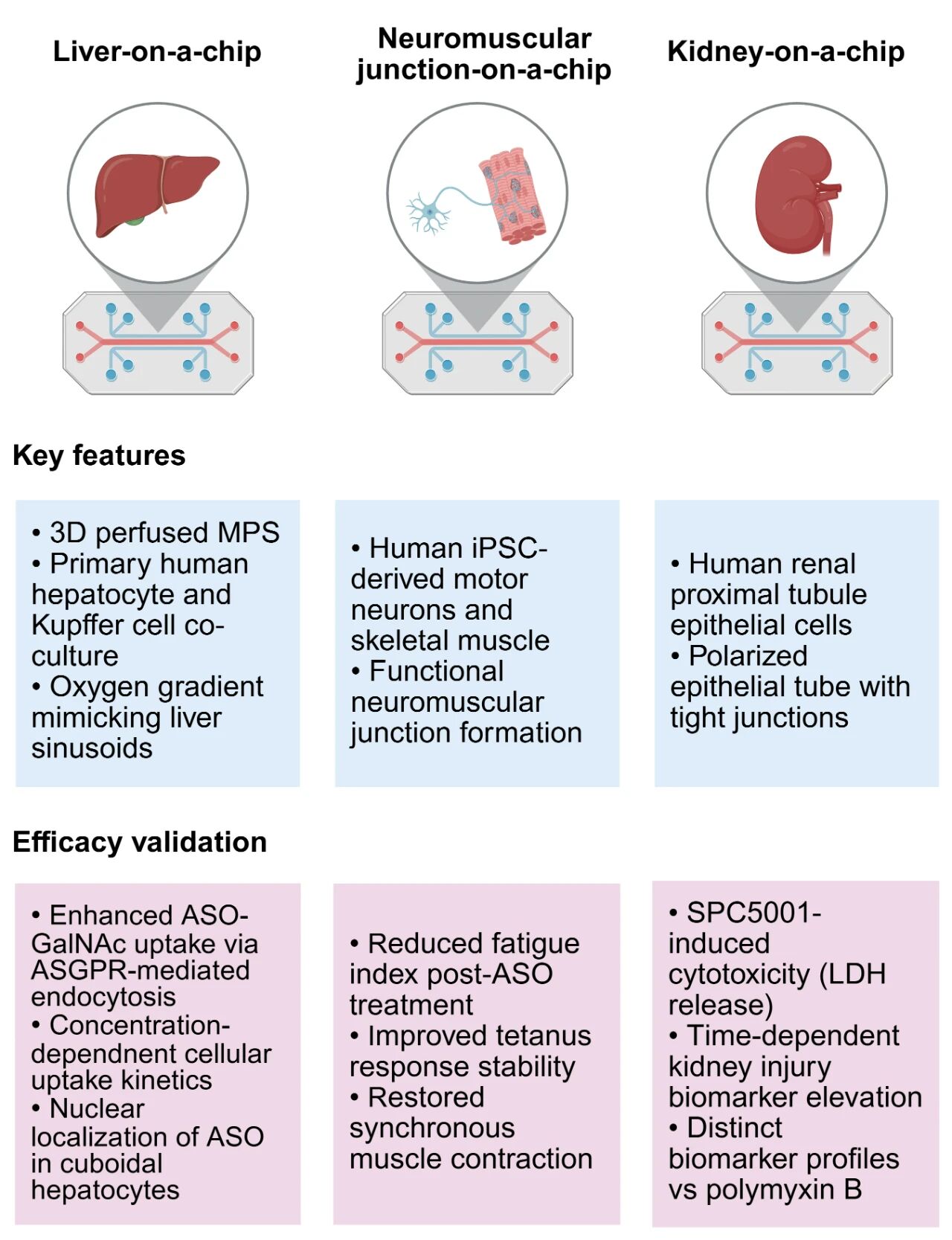
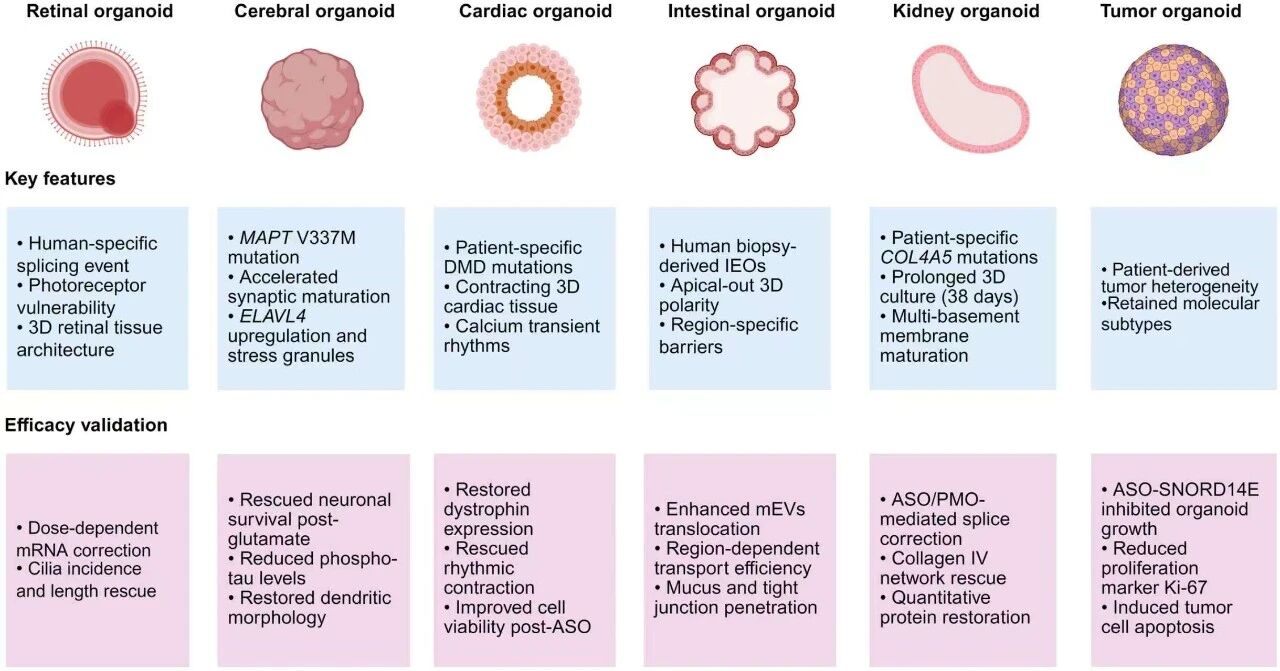
TriApex recently published a review article entitled “Organoids and organ-on-a-chip platforms for advancing oligonucleotide drug development” in Drug Discovery Today (IF: 8.7), a leading international journal in pharmaceutical science and drug discovery. This review systematically summarizes the current applications and challenges of New Approach Methodologies (NAMs), particularly organoids and organ-on-a-chip platforms, in the development of oligonucleotide therapeutics (ONTs). It highlights the potential of these platforms to improve translational predictivity and facilitate innovative drug development. Figure 1 The review article published in Drug Discovery Today. Highlights: Organoids and organ-on-a-chip platforms represent complementary human-relevant NAMs to address intrinsic inter-species limitations and translational barriers of conventional animal models for ONT development. Organoids enable investigation of tissue-specific RNA regulation and therapeutic responses, whereas organ-on-a-chip platforms provide dynamic assessment of ONT delivery, exposure, and safety profiles. Context of use (COU) serves as a critical foundation for regulatory decision-making regarding the integration of human-relevant NAMs into ONT development. A weight-of-evidence (WoE) framework is the recommended regulatory paradigm for integrating NAM outputs with animal data for ONT nonclinical assessments. Current limitations of human-relevant NAMs, including physiological complexity, model maturity, and standardization, require continued optimization and validation to support broader adoption. This article introduces the development landscape of ONTs, including major therapeutic modalities and their unique mechanisms of action, while addressing the translational challenges associated with species differences in conventional nonclinical models. Human-relevant NAMs, including organoids and organ-on-a-chip platforms, represent emerging approaches to improve the evaluation of target engagement, RNA modulation, drug delivery, and safety profiles. The biological basis and application strategies of human-relevant models for liver-targeted ONTs are described, highlighting the capabilities of liver organoids and liver-on-a-chip platforms in recapitulating human-specific hepatic uptake, intracellular trafficking, exposure dynamics, and pharmacological responses. These models provide valuable insights into liver-targeted delivery mechanisms and potential safety liabilities. Beyond the liver, organoid platforms have been applied across multiple tissues, including the retina, brain, heart, intestine, kidney, and tumor models. By preserving human cellular characteristics, tissue architecture, and disease-relevant phenotypes, these models enable mechanistic and functional studies that cannot be fully captured by traditional animal systems. Organ-on-a-chip platforms further reproduce dynamic physiological environments, allowing investigation of tissue transport, cellular interactions, exposure responses, and functional outcomes. Finally, regulatory considerations, COU, and future integration strategies are discussed to support the broader application of NAMs in ONT development. Figure 2 Representative organ-on-a-chip platforms in ONT development. Organ-on-a-chip platforms used in the nonclinical evaluation of ONTs, supporting the investigation of cellular uptake, intracellular distribution, and pharmacological responses under controlled in vitro conditions. Figure 3 Organoids in ONT development. Representative organoid systems and their applications in evaluating target engagement, RNA modulation, and cellular responses in tissue-relevant 3D cultures. The Practice of Integrated Service Philosophy: TriApex operates under an integrated service philosophy, providing comprehensive scientific support throughout the entire drug development lifecycle. NAMs platforms represent one of the core pillars of this strategy, combining innovative technologies with hands-on research experience to generate evaluation data that are robust, reliable, and translatable. Our multidisciplinary teams work to expedite the translation of advanced therapeutics, providing clients with scientifically driven insights and integrated research platforms. TriApex is dedicated to continuously enhancing platform capabilities and expanding application scenarios, with the goal of delivering sustained, meaningful technical support for the R&D community.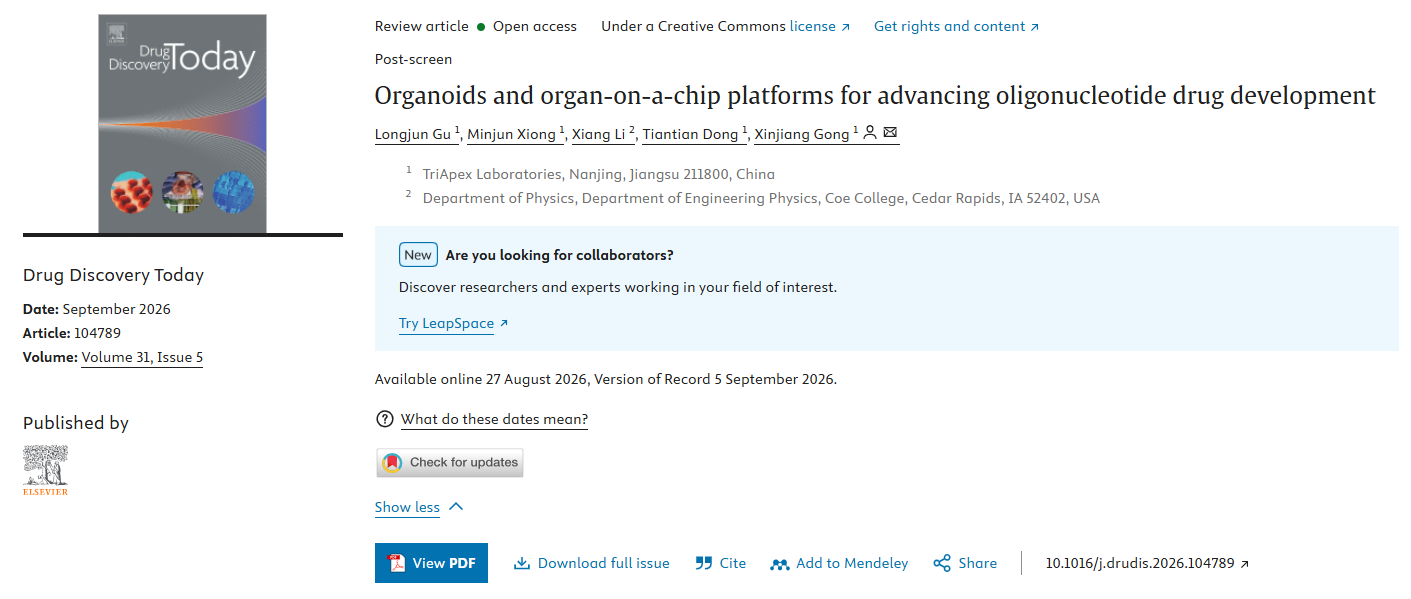


微信公众号

药方舟手机版